
Categories
Home Buyer, Buyer TipsPublished October 27, 2026
Earnest Money in Sarasota: How Much to Put Down and When You Get It Back

By Traci Bolen | Sand Sea Homes | eXp Realty
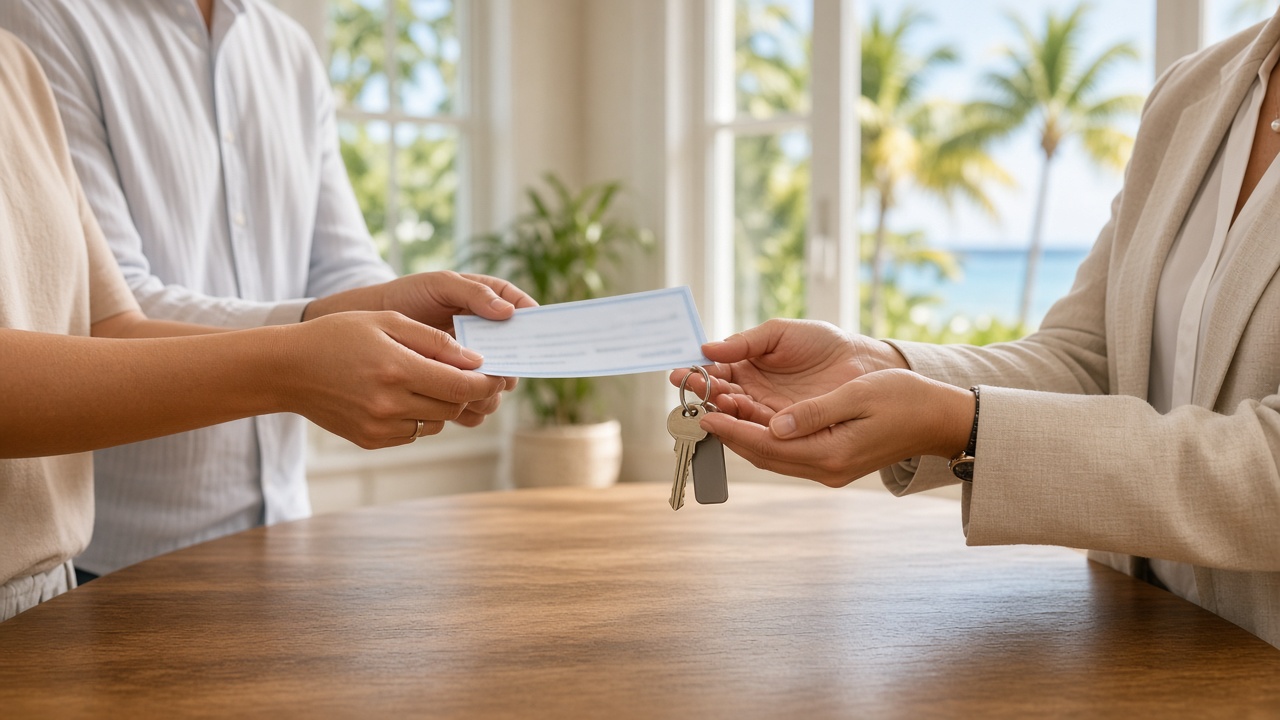
Once your offer is accepted, one of the first checks you'll write is your escrow deposit, often called earnest money. If you're buying in Southwest Florida, it's smart to understand how earnest money in Sarasota works before you sign: how much is typical, who holds it, and when you could lose it. Whether you're shopping in Lakewood Ranch, Venice, Bradenton, or elsewhere in Manatee and Charlotte County, a little know-how here protects real dollars.
Quick Answer
Earnest money is a good-faith deposit, commonly around 1% to 3% of the purchase price (sometimes a flat amount like $5,000 or $10,000, and more in competitive situations). In Florida it's held by a title company, closing attorney, or broker in an escrow account, and at closing it's credited toward your down payment and closing costs. You generally get it back if you cancel within a contract contingency, and you can lose it if you walk away outside those protections or miss deadlines.
What Is Earnest Money in Sarasota Real Estate?
Earnest money, or an escrow deposit in Florida contract language, is money a buyer puts up to show the seller they're serious. When a seller accepts your offer, they take the home off the market and turn away other buyers. Your deposit gives them some assurance that you intend to close.
It's important to know that earnest money is not an extra fee. It isn't the same thing as your down payment either, but it's applied to what you owe at closing. On your Closing Disclosure, you'll see it listed as a deposit that's subtracted from your cash to close.
How Much Earnest Money Should You Put Down?
There's no Florida law that sets a required amount. National guidance from the National Association of REALTORS® puts typical deposits anywhere from about 1% to 10% of the price, and Zillow's research shows 1% to 3% is most common. In practice, the right number depends on a few things:
- Price point. On a $450,000 Sarasota home, 1% to 3% would be roughly $4,500 to $13,500.
- Competition. If a home in a sought-after Lakewood Ranch village or a west-of-Trail Sarasota neighborhood has multiple offers, a stronger deposit can help your offer stand out.
- Cash vs. financed. Cash buyers, common here among retirees and second-home buyers, sometimes offer larger deposits to signal strength.
- New construction. Builders in Parrish, North Port, and Lakewood Ranch often set their own deposit schedules, which can be larger and may become non-refundable sooner. Read the builder contract carefully.
- Your contingencies. The more protections you keep in the contract, the more comfortable you can be with a meaningful deposit.
Some Florida contracts also allow an initial deposit and an additional deposit paid later, often after your inspection period ends. That structure can make an offer look stronger while limiting how much you have at risk early on.
Who Holds Your Escrow Deposit in Florida?
Your deposit doesn't go to the seller. It's held by a neutral escrow agent, usually the title company or closing attorney handling the transaction, and occasionally a real estate brokerage's escrow account. Florida's standard residential contracts typically require the initial deposit within a few days after the contract's effective date, so have funds ready to wire or deliver as soon as you go under contract.
Protect yourself from wire fraud
Wire fraud targeting homebuyers is a real risk. Before you send any money, call your title company at a phone number you've verified independently, not one from an email, to confirm wiring instructions. Never trust a last-minute email saying the instructions "changed."
When Do You Get Earnest Money Back?
Whether your deposit is refundable comes down to the contract. Generally, you're protected when you cancel properly within a contingency, such as:
- Inspection period. If inspections turn up issues and you cancel before the inspection period ends, you typically get your deposit back. (Our post on as-is contracts and inspection periods in Florida covers this in more detail.)
- Financing contingency. If you apply in good faith and your loan isn't approved within the contract's timeframe, you can usually cancel and recover your deposit, provided you give notice on time.
- Appraisal contingency. If included and the home appraises low, you may be able to renegotiate or cancel.
- Seller default. If the seller can't or won't close, your deposit is returned.
How Buyers Lose Earnest Money (and How to Avoid It)
Most lost deposits come down to timing. Buyers can forfeit earnest money when they:
- Miss a contingency deadline, like the last day of the inspection period
- Waive contingencies and then back out
- Get cold feet and cancel for a reason the contract doesn't cover
- Fail to deliver written notice the way the contract requires
To protect yourself, put every key date on your calendar, deliver notices in writing, and ask your agent to track deadlines with you. If a dispute ever comes up, the escrow agent typically holds the funds until both parties agree or the matter is resolved, so talk with a Florida real estate attorney if you have legal questions.
Sarasota Tips for a Smart Deposit
- Keep the funds liquid. Your lender will want to see where the money came from, so avoid moving large unexplained sums right before you deposit.
- Get a receipt. Confirm the escrow agent received your deposit and keep that documentation.
- Know your condo and HOA timelines. In Florida condo purchases, review periods for association documents can affect your cancellation rights, so know your dates.
- Balance strength and risk. A larger deposit can help win a home, but only offer what you're comfortable having on the line if you miss a deadline.
Ready to Make a Confident Offer?
Earnest money is one of those details that feels small until it isn't. At Sand + Sea Homes, we help buyers across Sarasota, Manatee, and Charlotte County structure offers that are competitive and protected, from the deposit amount to every deadline in between. Reach out to Traci Bolen and the Sand + Sea Homes team to talk through your next move.
Earnest Money FAQ
Is earnest money part of the down payment?
It's separate at the start, but at closing your earnest money is credited toward your down payment and closing costs, so it reduces the cash you bring to the table.
How much earnest money is typical in Sarasota?
Many buyers offer around 1% to 3% of the purchase price or a flat amount such as $5,000 to $10,000. Competitive listings, cash offers, and new construction can call for more.
Who holds earnest money in Florida?
A neutral escrow agent holds it, usually the title company or closing attorney, sometimes a brokerage escrow account. The seller doesn't get access to it before closing.
Can I get my earnest money back if I change my mind?
Only if you cancel within a contract contingency, like the inspection period, and follow the notice requirements. Backing out for a reason the contract doesn't cover can mean forfeiting it.
What happens to earnest money if the seller backs out?
If the seller defaults or cancels, your deposit is generally returned to you, and you may have other remedies under the contract.

Traci Bolen
Owner / Realtor | Sand + Sea Homes
or another way