
Categories
Buyer Tips, Home Buyer, Real Estate Advice, FloridaPublished October 25, 2026
How Much House Can I Afford in Sarasota? A Realistic Budget Guide for Florida Buyers


By Traci Bolen | Sand Sea Homes | eXp Realty
Before you fall in love with a pool home in Lakewood Ranch or a cottage near Venice Beach, it helps to answer one question first: how much house can I afford in Sarasota? The honest answer depends on more than your salary. Your debts, down payment, interest rate, and some very Florida-specific costs like insurance and property taxes all shape your real budget. Here's how to work out a number you can live with, not just one a lender will approve.
Quick answer: A common starting point is the 28/36 rule: keep your total monthly housing payment at or below about 28% of your gross monthly income, and all your debt payments, including the new mortgage, at or below about 36%. In the Sarasota area, be sure that housing payment includes homeowners and flood insurance, property taxes, and any HOA or CDD fees, not just principal and interest. Then get pre-approved to confirm the number with a lender.
How Much House Can I Afford in Sarasota? Start With the 28/36 Rule
The 28/36 rule is a rule of thumb lenders and financial planners have used for years.
- The 28% part (housing): Multiply your gross (pre-tax) monthly income by 0.28. If your household earns $8,000 a month, that's about $2,240 for your full housing payment.
- The 36% part (all debt): Multiply the same income by 0.36. At $8,000 a month, that's $2,880 for housing plus car loans, student loans, credit card minimums, and other monthly debts.
In that example, if you already pay $700 a month on a car and student loan, the 36% limit leaves about $2,180 for housing, which is a little less than the 28% figure. Whichever number is lower is your safer target. That share of your income going to debt is called your debt-to-income ratio, or DTI, and it's one of the main things a lender looks at.
What Goes Into Your Monthly Payment in Florida
Many online calculators use national averages for taxes and insurance. On the Gulf Coast, those averages can understate your real cost, so build your budget from the full payment, often called PITI plus fees:
Principal and interest
This is the part that pays back the loan. Your interest rate has a big effect here. A higher rate means the same monthly payment buys a smaller loan, so even a small rate change can move your price range by tens of thousands of dollars.
Homeowners, wind, and flood insurance
Insurance is the line item that surprises out-of-state buyers most. Premiums in Sarasota, Manatee, and Charlotte County vary widely with a home's age, roof, windows, and flood zone. Get real insurance quotes on homes you're serious about early in the process, and ask whether flood coverage is required or simply smart for that address.
Property taxes
Florida has no state income tax, which helps your overall budget, but property taxes are based on the home's assessed value. When a home sells, its assessed value generally resets to market value, so the seller's current tax bill is often lower than yours will be. Estimate taxes using the purchase price, and remember the Florida homestead exemption can reduce taxes on your primary residence once you apply.
HOA and CDD fees
Many communities in Lakewood Ranch, Parrish, North Port, and Venice have HOA dues, and some newer neighborhoods also carry a Community Development District (CDD) assessment that appears on the tax bill. Add all of them to your monthly number.
Mortgage insurance
If you put down less than 20% on a conventional loan, you'll likely pay private mortgage insurance (PMI). FHA loans have their own mortgage insurance.
Work Backward From a Payment You're Comfortable With
The Consumer Financial Protection Bureau suggests a simple approach that works well here:
- Decide on a total monthly housing payment that fits your budget.
- Subtract your estimated insurance, property taxes, HOA or CDD fees, and mortgage insurance.
- What's left is what you can put toward principal and interest. A lender or an online calculator can turn that into a loan amount at today's rates.
- Add your down payment to the loan amount to get your target price range.
Your price range comes down to four levers: how much you can pay each month, how much you can put down, the type of loan (for example a 30-year fixed or 15-year fixed), and your interest rate. Change any one and your range moves.
What a Lender Approves vs. What You Can Comfortably Afford
A pre-approval tells you the most a lender is willing to lend. It doesn't know what you spend on childcare, travel, or saving for retirement. Many buyers are approved for more than they'd be comfortable paying. A few gut checks:
- Include non-debt expenses. Childcare, commuting, and other big monthly costs don't count in DTI but absolutely affect your budget.
- Keep savings after closing. Plan for closing costs, moving, and an emergency cushion. Our guide to the hidden costs of buying a home in Sarasota, Manatee, and Charlotte County walks through what to expect.
- Budget for upkeep. Florida homes need regular care for roofs, AC systems, and pools. Setting aside money every month for maintenance keeps repairs from becoming emergencies.
Tips to Stretch Your Budget in the Sarasota Area
- Pay down debt first. Lowering a car or credit card payment frees up room under the 36% limit.
- Explore assistance programs. Florida has down payment and closing cost assistance for eligible buyers.
- Compare areas and home types. Prices, insurance, and HOA costs differ between Sarasota, Bradenton, Venice, North Port, and Port Charlotte. A newer home with a newer roof may cost less to insure.
Frequently Asked Questions
How much house can I afford on a $100,000 salary in Sarasota?
Using the 28% guideline, $100,000 a year (about $8,333 a month) points to a total housing payment of around $2,330. Your actual price range depends on your other debts, down payment, interest rate, and the insurance, taxes, and fees on the specific home, so a lender pre-approval is the best way to pin it down.
What debt-to-income ratio do lenders allow?
Many lenders prefer a total DTI of 36% or less, but some loan programs allow higher ratios for borrowers with strong credit, savings, or larger down payments. Just because a higher ratio is allowed doesn't mean it's comfortable for you.
Do I need 20% down to buy a home in Florida?
No. Many loans allow much smaller down payments, including some conventional loans and FHA loans. Putting less than 20% down usually means paying mortgage insurance, which raises your monthly payment.
Why is my estimated payment in Florida higher than the online calculator showed?
Many calculators use national averages for insurance and property taxes. In coastal Florida, homeowners and flood insurance, reassessed property taxes, and HOA or CDD fees can be higher, so use local quotes for an accurate number.
Should I get pre-approved before looking at homes?
Yes. A pre-approval shows you a realistic loan amount, helps you shop in the right price range, and makes your offer stronger with sellers.
Let's Find Your Comfortable Number Together
Figuring out how much house you can afford is the first step, and you don't have to do it alone. We can connect you with trusted local lenders and insurance agents, help you estimate the real monthly cost of homes you like, and guide your search across Sarasota, Lakewood Ranch, Venice, Bradenton, North Port, and the rest of Manatee and Charlotte County. Call Sand + Sea Homes at (941) 352-2121 or visit sandseahomes.com to get started.
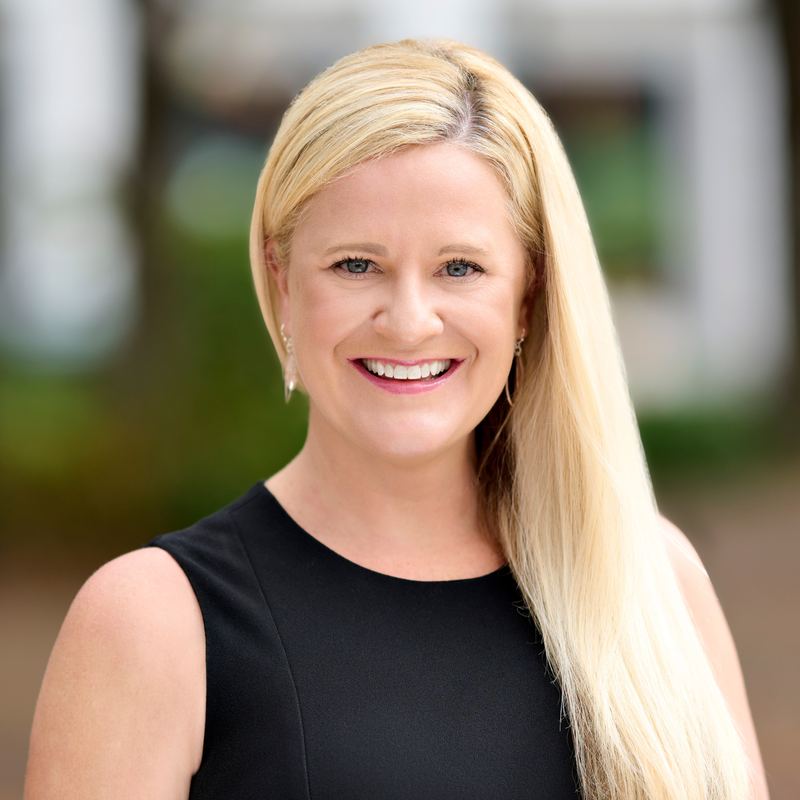
Traci Bolen
Owner / Realtor | Sand + Sea Homes
or another way